
How Automated Trading is Transforming Financial Markets
Crypto Market Security and Ethics
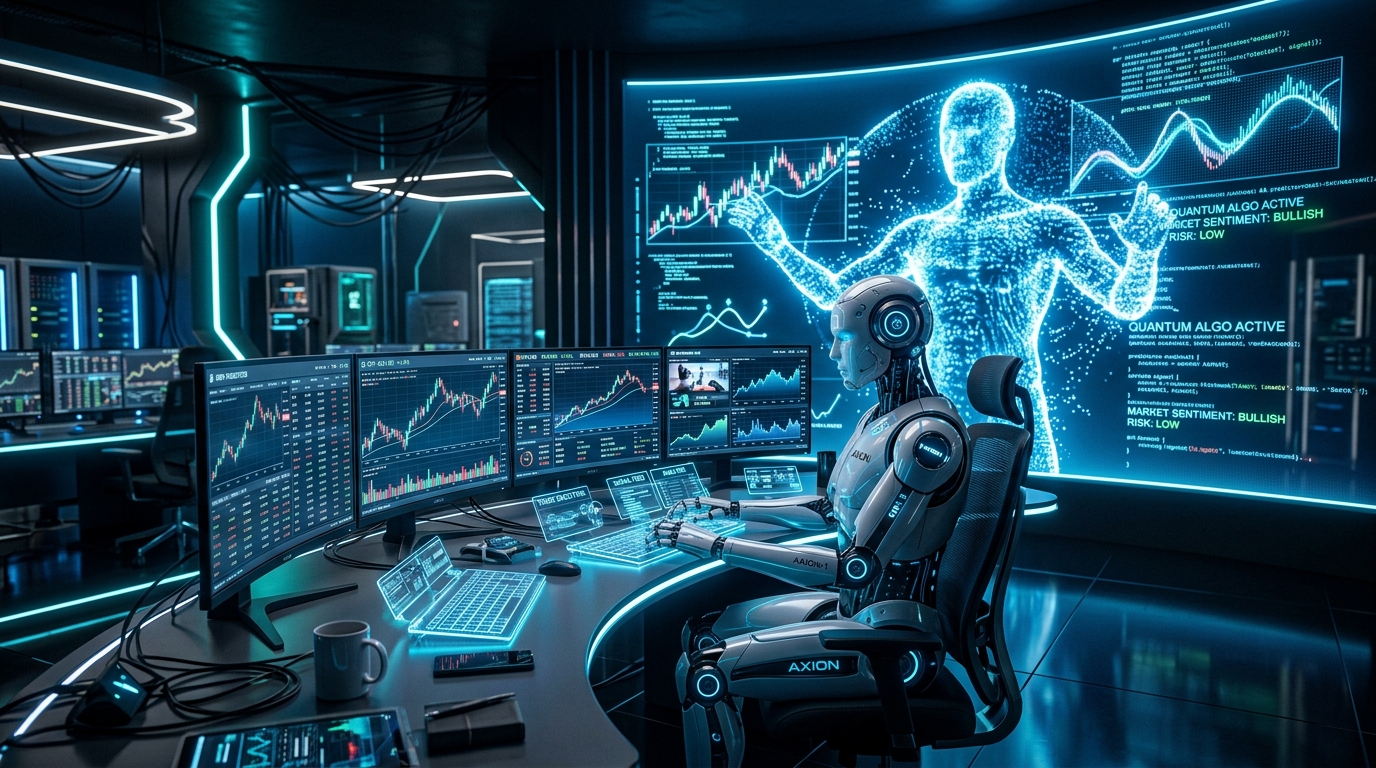
The rise of automation in financial markets is fundamentally altering trading practices. Originating from basic algorithmic trading, the evolution into intricate machine-learning frameworks has made automated systems indispensable for both institutional and retail traders. In this article, we will delve into how automated trading is reshaping financial landscapes, examining its core technologies, strategies, advantages, challenges, and the ethical dilemmas that accompany this transformation.
Understanding Automated Trading
Automated trading involves employing computer systems to carry out trades based on predefined algorithms without human oversight. These systems scrutinise market data instantaneously, making trading decisions with a speed and accuracy that surpasses human capabilities. The journey of automated trading began in the late 1970s with rudimentary rule-based systems that have now advanced into highly developed platforms integrating artificial intelligence (AI) and machine learning.
Technology's Impact on Automated Trading
The advancement of technology has fundamentally transformed the landscape of automated trading. By harnessing machine learning and artificial intelligence, trading systems can evolve and refine their strategies over time, adeptly recognising trends and enhancing performance. The advent of high-frequency trading (HFT) has further changed the dynamics of the market, allowing for the rapid execution of numerous trades within fractions of a second to capitalise on slight price variations. Additionally, innovations in cloud computing, extensive data analysis, and enhanced network capabilities have empowered traders to implement these sophisticated algorithms worldwide, ensuring access to financial markets around the clock with minimal delays.
Understanding Automated Trading Systems
Automated trading systems are constructed using algorithms—comprehensive sets of guidelines and commands programmed in various coding languages. These systems can vary significantly, from straightforward rule-based tactics, such as initiating a purchase when a stock surpasses a designated price, to intricate, AI-enhanced frameworks that analyse past data to forecast future market movements.
Different types of automated trading systems include:
- Rule-Based Trading Systems: These systems execute trades based on specific, pre-established conditions.
- AI-Powered Trading Solutions: Evolve continuously, refining their approach by scrutinising extensive datasets.
- Integrated Trading Systems: Merge traditional rules with advanced machine learning techniques for superior results.
- blog_three_question_4.subtitle_4: blog_three_question_4.desc_4
Varieties of Automated Trading Approaches
Every approach is built on complex algorithms that necessitate precise tuning and vigilant risk oversight.
In the realm of automated trading, various strategies are employed, tailored to market dynamics and individual objectives. Notable approaches include:
- Arbitrage Techniques: These techniques capitalise on discrepancies in prices across different markets or exchanges.
- Momentum Trading Strategies: These strategies aim to harness market trends, acquiring assets as prices ascend and liquidating them as they descend.
- Reversion to the Mean Tactics: Leverage the expectation that asset values will return to their average levels following notable fluctuations.
- Strategies for Market-Making: Gain from the difference between buying and selling prices by executing simultaneous purchase and sale transactions.
Advantages of Automated Trading Systems
**Unlock Your Crypto Potential with Impuls Fintharis** Diving into the world of crypto trading can be a game changer, and with Impuls Fintharis, you’re not just trading—you’re thriving! Imagine having access to real-time insights and cutting-edge tools that help you make informed decisions. Our user-friendly platform simplifies the trading process, whether you're a seasoned trader or just starting out. Plus, with our community of like-minded traders, you’ll never feel alone on your journey. Join us today and experience the benefits of trading smarter, not harder!
Automated trading presents numerous benefits compared to traditional methods. Notable advantages include:
- Speed and Precision: Automated trading platforms can execute transactions at lightning speed, seizing fleeting market chances before they vanish.
- Minimisation of Human Mistakes: AI-driven solutions remove the influence of emotions and biases, resulting in more reliable trading outcomes.
- Round-the-Clock Market Access: These intelligent systems function non-stop, guaranteeing that traders are always positioned to exploit market movements.
- Backtesting and Enhancement: Prior to implementing strategies, traders can evaluate them against past data, refining for optimal performance while reducing potential risks.
Dangers and Hurdles of Automated Trading
Unlock the Future of Trading with Impuls Fintharis! Dive into the exciting world of crypto trading where opportunities are endless. With Impuls Fintharis, you can easily navigate the market and make informed decisions that could lead to impressive gains. Our user-friendly platform is designed to cater to both newbies and seasoned traders alike, providing real-time data and insights at your fingertips. Join a vibrant community of traders who are sharing tips, strategies, and success stories. With our advanced tools, you can track your investments, analyse trends, and seize the right moments to trade. Plus, enjoy competitive fees that maximise your profits! Don’t miss out on the chance to elevate your trading game. Sign up with Impuls Fintharis today and start your journey towards financial freedom!
Although automated trading provides numerous advantages, it also presents certain dangers. Notable challenges include:
- Risks from Market Fluctuations: Automated trading platforms can intensify market fluctuations, particularly during periods of upheaval or sudden crashes, where swift, extensive sell-offs may spiral out of control.
- Sudden Market Crashes: For instance, in 2010, a computer-driven incident caused an abrupt market drop, erasing billions in mere moments.
- Systemic Errors: Faulty software, system failures, or coding mistakes can lead to substantial financial detriment.
- blog_three_question_7.subtitle_4: blog_three_question_7.desc_4
The Effects of Automated Trading on Worldwide Financial Markets
The advent of automated trading has revolutionised market liquidity and operational efficiency. By facilitating quicker and more frequent transactions, the overall liquidity across various asset classes has seen a notable enhancement. Nevertheless, as technology advances, the necessity for human traders is waning, with machines increasingly assuming roles that were once the domain of skilled professionals, thus transforming the financial employment landscape.
Automated Trading Across Diverse Asset Classes
Automated trading technologies exhibit remarkable adaptability, functioning across multiple markets, including:
- Stocks: Algorithmic trading in stocks stands out as one of the most sophisticated sectors, embraced by both institutional investors and independent traders.
- Foreign Exchange: Automated trading systems have enhanced the efficiency of currency markets by rapidly adapting to international news and economic indicators.
- Commodities: From precious metals to energy resources, commodities trading thrives on automated strategies that leverage market trends and arbitrage opportunities.
- Cryptocurrencies: With their inherent volatility and round-the-clock trading, cryptocurrency markets are ideal for automated systems, enabling swift reactions to market fluctuations.
Regulatory Challenges and Considerations
The regulation of automated trading holds significant importance in maintaining market integrity. Authorities such as the Financial Conduct Authority (FCA) have established guidelines to mitigate risks and promote transparency. Yet, as AI systems grow increasingly intricate, regulators grapple with the challenge of adapting to rapid technological advancements. Additionally, ethical dilemmas emerge, particularly regarding the prevention of algorithmic market manipulation.
Institutional Investors and Their Use of Automated Trading
Institutional investors, including hedge funds and proprietary trading firms, extensively utilise automated trading systems to secure a competitive advantage. Quantitative analysts, often referred to as 'quants,' create advanced models that harness big data, artificial intelligence, and machine learning to surpass conventional trading techniques. Many hedge funds attribute their remarkable success to these automated frameworks, exemplified by the achievements of firms like Renaissance Technologies.
Automated Trading Solutions for Retail Traders
Recent innovations have made automated trading accessible to retail traders. Platforms such as MetaTrader and TradeStation provide straightforward access to trading bots, while social trading networks enable users to replicate the strategies of successful traders. Retail investors also have the option to acquire or design bespoke trading bots to streamline their trading approaches.
Envisioning the Future of Automated Trading
As artificial intelligence and machine learning advance, the complexity of automated trading platforms will also increase. The emergence of quantum computing, though still nascent, has the capability to transform trading by analysing vast datasets at unprecedented speeds. In the coming years, automation is anticipated to permeate various facets of financial markets, minimising the reliance on human oversight.
Ethical Implications of Automated Trading
Transparency plays a vital role in maintaining fairness and accessibility in automated trading. It is essential for algorithms to be crafted in a manner that deters market manipulation and guarantees equal access to trading opportunities. Striking a balance between the advantages of automation and the necessity for ethical practices in the market remains a pressing concern for both regulators and traders.
Insights from Automated Trading Case Studies
- The 2010 Flash Crash: This incident underscored the inherent risks associated with automated systems, where algorithms instigated substantial sell-offs, leading to a dramatic market decline within mere minutes.
- Triumph Narratives: Investment firms such as Man Group and Winton Group have harnessed the power of AI-driven strategies, consistently achieving remarkable returns and reshaping market standards.
Common Inquiries (FAQs)
- 1. What is algorithmic trading? Algorithmic trading involves the deployment of computer algorithms to perform trades automatically, minimising the need for human oversight.
- 2. In what ways does high-frequency trading differ from traditional trading? High-frequency trading entails executing numerous trades within milliseconds, taking advantage of minute fluctuations in market prices.
- 3. Is automated trading devoid of risk? Certainly not; while automated trading mitigates human errors, it remains susceptible to risks like technical malfunctions and unpredictable market shifts.
- 4. Can individual investors engage in automated trading? Absolutely, various platforms are available for individual investors to develop or utilise automated trading strategies.
- 5. How do regulatory bodies oversee automated trading? Regulatory authorities employ a variety of oversight mechanisms, such as immediate monitoring systems and established regulatory frameworks.
- 6. Which technologies are essential for automated trading systems? Essential technologies encompass artificial intelligence, machine learning algorithms, cloud services, and advanced internet connectivity.
Conclusion: The Transforming Landscape of Financial Markets through Automation
Automated trading is revolutionising financial markets, enhancing efficiency, accelerating trade execution, and enabling more complex strategies. As AI, machine learning, and quantum technologies progress, the future of automated trading will hinge on its capacity for innovation alongside upholding market integrity.