
How Automated Trading is Transforming Financial Markets
Crypto Market Safety and Ethics
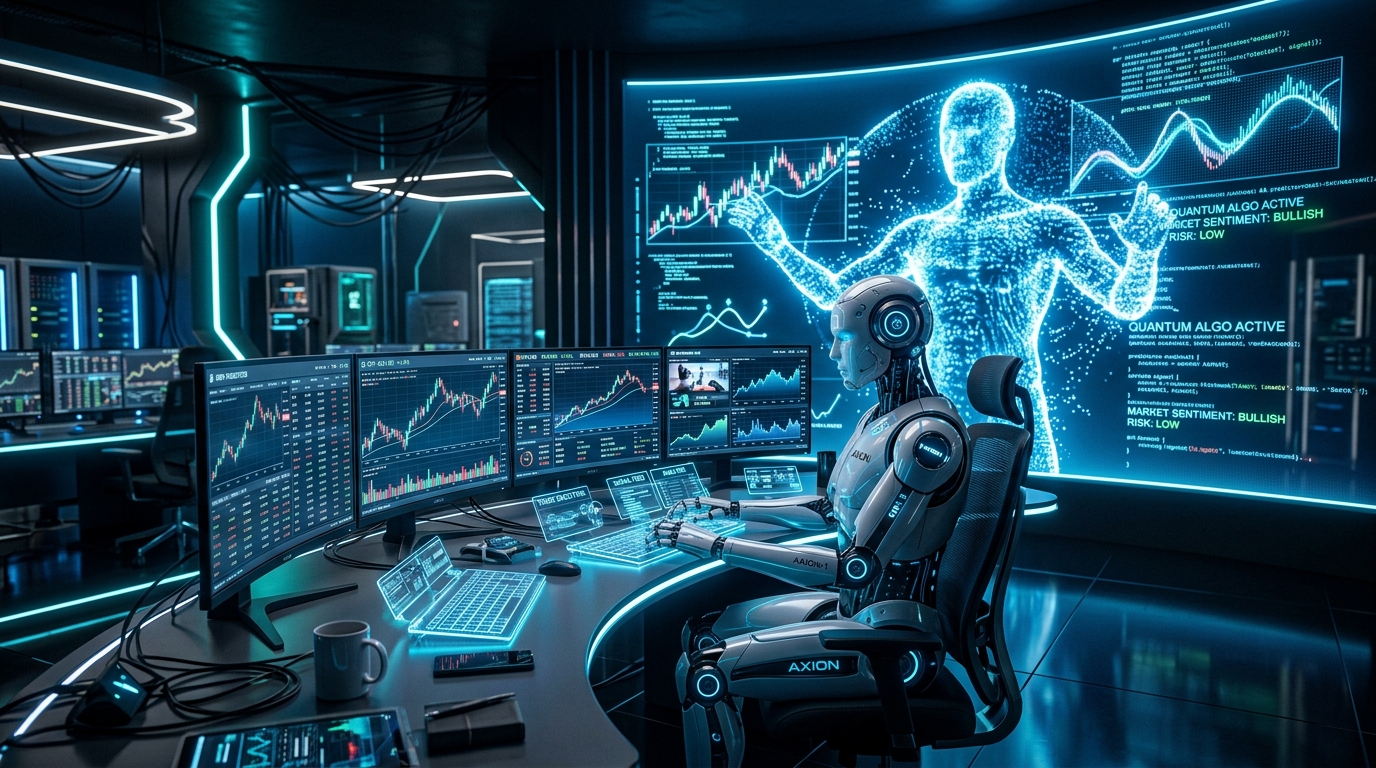
वित्तीय बाजारों में स्वचालन व्यापार के तरीके को मौलिक रूप से बदल रहा है। एल्गोरिदमिक ट्रेडिंग से लेकर जटिल मशीन-लर्निंग मॉडल के विकास तक, स्वचालित व्यापार प्रणाली संस्थागत और खुदरा व्यापारियों दोनों के लिए आवश्यक हो गई हैं। इस लेख में, हम देखेंगे कि स्वचालित व्यापार वित्तीय बाजारों को कैसे रूपांतरित कर रहा है, इसके प्रमुख तकनीकें, रणनीतियाँ, लाभ, चुनौतियाँ, और इस क्रांति के चारों ओर नैतिक विचार क्या हैं।
स्वचालित व्यापार का परिचय
स्वचालित व्यापार का तात्पर्य है कंप्यूटर सिस्टम का उपयोग करके पूर्व-प्रोग्राम किए गए एल्गोरिदम के आधार पर मानव हस्तक्षेप के बिना व्यापार निष्पादित करना। ये सिस्टम वास्तविक समय में बाजार डेटा का विश्लेषण करते हैं और ऐसी गति और सटीकता के साथ निर्णय लेते हैं जो मानव व्यापारियों के लिए संभव नहीं है। स्वचालित व्यापार का इतिहास 1970 के दशक के अंत में सरल नियम-आधारित सिस्टम से शुरू हुआ, जो अब कृत्रिम बुद्धिमत्ता (AI) और मशीन लर्निंग को शामिल करने वाले जटिल प्लेटफार्मों में विकसित हो चुका है।
स्वचालित व्यापार में प्रौद्योगिकी की भूमिका
The evolution of automated trading has been significantly influenced by advancements in technology. With the integration of machine learning and artificial intelligence, trading systems have gained the ability to learn and refine their strategies over time, effectively recognizing market trends and enhancing their performance. High-frequency trading (HFT) has transformed the landscape, allowing for rapid execution of trades that capitalize on minute fluctuations in prices. Additionally, the advent of cloud computing, extensive data analytics, and sophisticated network systems has empowered traders to implement these algorithms worldwide, ensuring round-the-clock access to financial markets with minimal delays.
Understanding Automated Trading Mechanisms
Automated trading mechanisms are fundamentally constructed using algorithms—comprehensive sets of rules and directives programmed in various coding languages. These systems can vary from straightforward strategies that trigger trades upon reaching certain price thresholds to intricate AI-enhanced models that analyze past data to forecast future market movements.
Categories of automated trading mechanisms include:
- Algorithmic Trading Systems: Carry out trades based on clearly defined, established criteria.
- AI-Supported Trading Solutions: Evolve and refine their strategies by processing vast amounts of market data, ensuring precision in every trade.
- Integrated Trading Systems: Merge traditional trading rules with advanced machine learning techniques to boost overall trading efficacy.
- blog_three_question_4.subtitle_4: blog_three_question_4.desc_4
Varieties of Automated Trading Approaches
Every approach is underpinned by advanced algorithms, necessitating meticulous calibration and effective risk oversight.
Automated trading employs various strategies tailored to market dynamics and investment objectives. Notable examples include:
- Arbitrage Techniques: These tactics take advantage of price discrepancies between different markets or exchanges.
- Momentum Trading Approaches: These strategies capitalize on prevailing market trends, purchasing assets during price surges and liquidating during downturns.
- Reversion to Mean Strategies: Leverage the belief that market prices will return to their average levels following notable fluctuations.
- Strategies for Market Making: Earn from the difference between buying and selling prices by placing orders for both at the same time.
Advantages of Automated Trading Systems
Unlock the Future of Trading with Impuls Fintharis! Are you ready to dive into the world of crypto trading? With Impuls Fintharis, you can take advantage of the booming digital currency market right from the comfort of your home. Enjoy low transaction fees, a user-friendly interface, and real-time market insights that empower you to make informed decisions. Join a community of savvy traders who are already reaping the rewards of crypto investments. Whether you’re a beginner or an experienced trader, our platform is designed to cater to all levels. Plus, with 24/7 customer support, help is always just a click away. Don’t miss out on the opportunity to grow your wealth. Start trading with Impuls Fintharis today and watch your financial dreams come to life!
Automated trading systems present numerous advantages compared to traditional manual trading. Key benefits include:
- गति और दक्षता: कंप्यूटर मानवों की तुलना में व्यापार को तेजी से निष्पादित कर सकते हैं, अवसरों का लाभ उठाते हुए जो जल्दी गायब हो जाते हैं।
- मानव त्रुटियों में कमी: स्वचालित प्रणाली भावनात्मक निर्णय लेने और संज्ञानात्मक पूर्वाग्रहों को समाप्त करती है, जिससे परिणाम अधिक स्थिर होते हैं।
- 24/7 बाजार पहुंच: ये प्रणालियाँ निरंतर कार्य कर सकती हैं, यह सुनिश्चित करते हुए कि व्यापारी कभी भी बाजार के अवसरों को खो न दें।
- पुनः परीक्षण और अनुकूलन: व्यापारी अपने रणनीतियों को लागू करने से पहले ऐतिहासिक डेटा का उपयोग कर उनका परीक्षण कर सकते हैं, प्रदर्शन को अनुकूलित करते हुए जोखिम को कम करते हैं।
स्वचालित व्यापार के जोखिम और चुनौतियाँ
Discover the Future of Trading with Impuls Fintharis Step into the world of crypto trading with Impuls Fintharis and unlock a treasure trove of opportunities! Whether you're a seasoned trader or just starting out, our platform is designed to make your trading experience smooth and rewarding. Enjoy real-time market insights, user-friendly tools, and a vibrant community of traders right at your fingertips. With competitive fees and advanced security measures, you can trade confidently, knowing your investments are in safe hands. Plus, with 24/7 customer support, help is always just a click away. Join us today and ride the wave of cryptocurrency success!
हालांकि स्वचालित व्यापार के कई लाभ हैं, लेकिन इसके साथ जोखिम भी जुड़े हैं। प्रमुख चुनौतियाँ शामिल हैं:
- बाजार में उतार-चढ़ाव के जोखिम: Automated trading systems can heighten market volatility, particularly during unexpected downturns or rapid sell-offs, causing chaos in trading environments.
- Rapid Market Declines: For instance, a notable incident in 2010 saw an algorithmic trigger cause a swift market drop, erasing vast sums of wealth in mere moments.
- Systemic Glitches: Technical issues such as software bugs, outages, or coding mistakes can lead to considerable financial repercussions for traders.
- blog_three_question_7.subtitle_4: blog_three_question_7.desc_4
The Influence of Automated Trading on Financial Markets in India
स्वचालित व्यापार ने बाजार की तरलता और दक्षता में उल्लेखनीय वृद्धि की है। व्यापार को तेजी से और अधिक बार होने की अनुमति देकर, विभिन्न संपत्ति वर्गों में तरलता में सुधार हुआ है। हालाँकि, मानव व्यापारियों की भूमिका कम होती जा रही है, क्योंकि मशीनें उन कार्यों को संभाल रही हैं जो पहले मैन्युअल रूप से किए जाते थे, जिससे वित्तीय क्षेत्र में नौकरी का बाजार बदल रहा है।
विभिन्न संपत्ति वर्गों में स्वचालित व्यापार
स्वचालित व्यापार प्रणाली बहुपरकारी हैं और विभिन्न बाजारों में कार्य करती हैं, जिनमें शामिल हैं:
- शेयर: शेयर व्यापार एल्गोरिदम सबसे विकसित में से एक हैं, जिन्हें हेज फंड और व्यक्तिगत व्यापारी दोनों द्वारा उपयोग किया जाता है।
- विदेशी मुद्रा: Automated trading systems have revolutionized the cryptocurrency landscape in India, swiftly adapting to market fluctuations and news events.
- Metals and Energy: The markets for metals and energy resources thrive on algorithmic trading, leveraging momentum and price discrepancies for profit.
- Digital Currencies: With their inherent volatility and round-the-clock trading, digital currencies are ideal for automated tools that can react instantly to market shifts.
Navigating Regulatory Hurdles
स्वचालित व्यापार का नियमन बाजार की स्थिरता सुनिश्चित करने के लिए महत्वपूर्ण है। नियामक संस्थाएँ जैसे SEBI और RBI नियम लागू कर रही हैं ताकि अत्यधिक गतिविधियों पर नियंत्रण रखा जा सके और पारदर्शिता सुनिश्चित हो सके। हालांकि, AI-आधारित सिस्टम की बढ़ती जटिलता के साथ, नियामकों को प्रौद्योगिकी के साथ तालमेल बिठाने में चुनौतियों का सामना करना पड़ता है। नैतिक चिंताएँ भी उठती हैं, विशेषकर एल्गोरिदम द्वारा बाजार हेरफेर को रोकने में।
संस्थागत निवेशक स्वचालित व्यापार का लाभ कैसे उठा रहे हैं
संस्थागत निवेशक, विशेष रूप से हेज फंड और स्वामित्व व्यापार फर्में, प्रतिस्पर्धात्मक लाभ प्राप्त करने के लिए स्वचालित व्यापार प्रणालियों पर निर्भर करते हैं। मात्रात्मक व्यापारी, या 'क्वांट', जटिल मॉडल विकसित करते हैं जो बड़े डेटा, AI और मशीन लर्निंग को एकीकृत करते हैं ताकि पारंपरिक व्यापार विधियों को पीछे छोड़ा जा सके। कुछ हेज फंड अपने सफलता का बड़ा हिस्सा स्वचालित प्रणालियों, जैसे Renaissance Technologies के Medallion Fund, को देते हैं।
खुदरा निवेशकों के लिए स्वचालित व्यापार
हाल के विकासों ने खुदरा निवेशकों के लिए स्वचालित व्यापार को लोकतांत्रिक बना दिया है। प्लेटफ़ॉर्म जैसे MetaTrader और TradeStation व्यापार बॉट्स तक आसान पहुँच प्रदान करते हैं, जबकि सामाजिक व्यापार प्लेटफ़ॉर्म उपयोगकर्ताओं को सफल व्यापारी की रणनीतियों की नकल करने की अनुमति देते हैं। खुदरा व्यापारी अपनी रणनीतियों को स्वचालित करने के लिए कस्टम व्यापार बॉट खरीद या विकसित भी कर सकते हैं।
स्वचालित व्यापार का भविष्य
With the advancement of AI and machine learning technologies, automated trading systems are becoming increasingly sophisticated. The nascent field of quantum computing promises to transform trading by analyzing vast datasets at unprecedented speeds. In the coming decade, we can anticipate that automation will permeate deeper into financial markets, significantly minimizing the reliance on human traders.
Ethical Aspects of Automated Trading
Transparency is paramount to ensure that automated trading practices remain just and inclusive. It is essential for algorithms to be crafted in a manner that curtails market manipulation and promotes equal access to trading opportunities. Striking a balance between the advantages of automation and the necessity for ethical conduct in the markets is a continuous challenge faced by both regulators and traders.
Insights from Automated Trading Case Studies
- The 2010 Flash Crash: This incident underscored the inherent risks associated with automated trading systems, where algorithms instigated significant sell-offs, resulting in a dramatic market decline within mere minutes.
- उपलब्धियों की कहानियाँ: भारत में, फंड मैनेजमेंट कंपनियां जैसे कि एलियट मैनेजमेंट और डीई शॉ ने स्वचालन का उपयोग करके बाजार को लगातार पार किया है, जिससे वित्तीय क्षेत्र के लिए नए मानक स्थापित हुए हैं।
अक्सर पूछे जाने वाले प्रश्न (FAQs)
- 1. स्वचालित व्यापार क्या है? स्वचालित व्यापार का तात्पर्य ऐसे एल्गोरिदम के उपयोग से है जो मानव हस्तक्षेप के बिना व्यापार निष्पादित करते हैं।
- 2. हाई-फ्रीक्वेंसी ट्रेडिंग सामान्य ट्रेडिंग से कैसे भिन्न है? High-frequency trading is a strategy that executes numerous trades in mere seconds, taking advantage of minute fluctuations in prices.
- 3. Is there no risk involved in automated trading? While automated trading minimizes human errors, it is not devoid of risks like technical glitches and unpredictable market shifts.
- 4. Can individual investors participate in automated trading? Absolutely, many platforms cater to individual investors, enabling them to develop or utilize automated trading techniques.
- 5. How do authorities oversee automated trading activities? Regulatory authorities employ a variety of oversight mechanisms, such as continuous monitoring systems and established regulatory frameworks.
- 6. Which technologies are essential for automated trading systems? Essential technologies encompass artificial intelligence, neural networks, cloud services, and robust high-speed internet connectivity.
Conclusion: The Transforming Dynamics of Financial Markets through Automation
Automation in trading is reshaping financial markets, enhancing efficiency, expediting trade executions, and enabling advanced strategies. With the ongoing advancements in AI, machine learning, and quantum technologies, the future of automated trading will hinge on its capacity to innovate while ensuring market integrity.